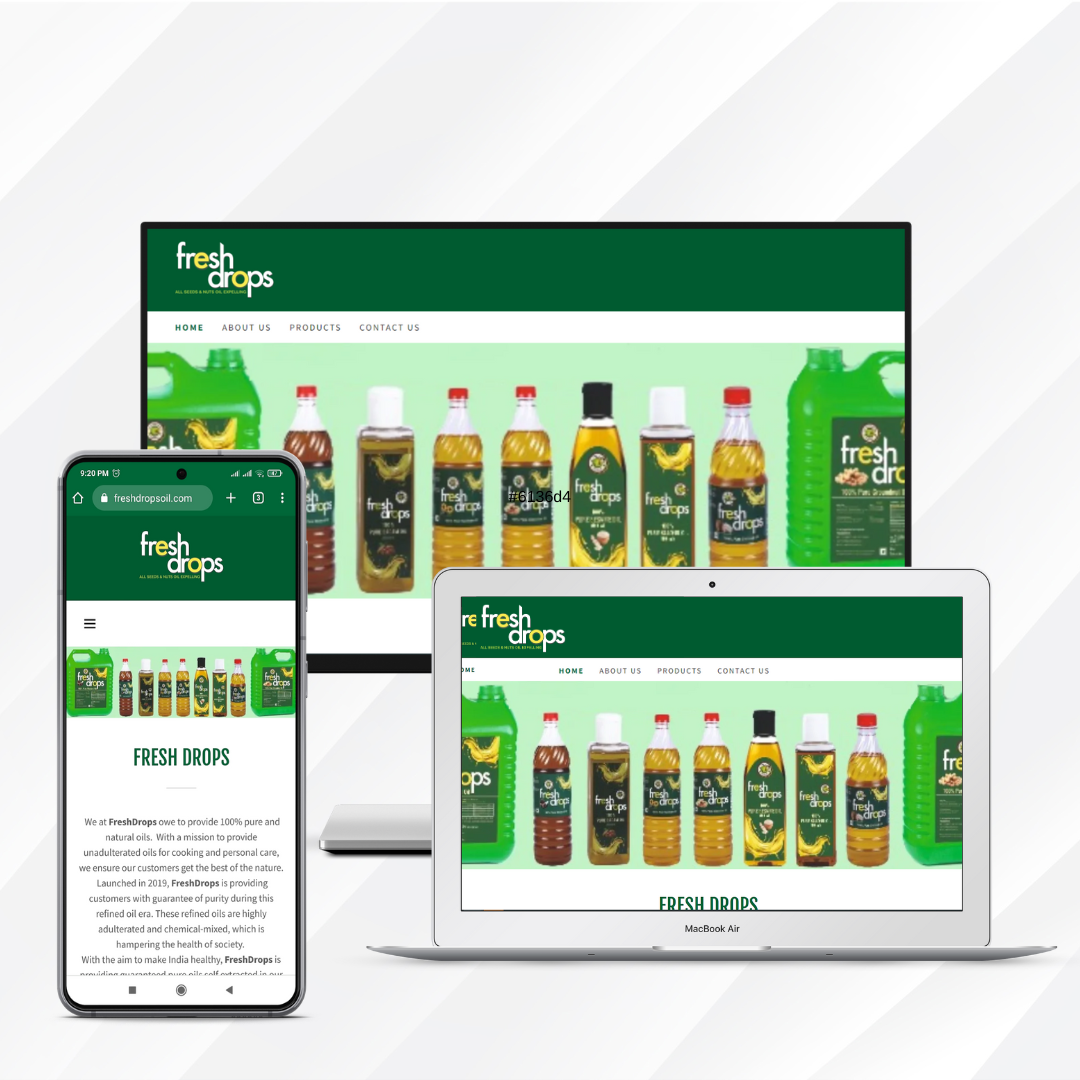



Why Your Old Website is Bleeding Revenue: The Hidden Costs of Delaying a Modern Redesign
An outdated website rarely breaks all at once. Instead, it slowly degrades, quietly undermining your marketing efforts, driving potential buyers to competitors, and inflating your internal operational overhead. While business leaders often view a digital revamp as a discretionary expense, postponing it creates invisible operational leakage that directly affects the bottom line. When potential buyers encounter slow performance, awkward navigation, or unoptimized layouts, they leave before engaging with your core offering. Modernizing your platform with strategic website rebuilding services helps eliminate technical friction, restore trust, and align your digital storefont with current buyer behavior.
The true expense of maintaining a legacy web platform extends far beyond basic server hosting fees. It encompasses lost leads, reduced organic visibility, degraded brand authority, and excessive maintenance costs required to patch aging code bases. Understanding these hidden financial drains is the first step toward reclaiming your market advantage and establishing a high-performing enterprise gateway.
Direct Answer: Delaying a website redesign drains company revenue by creating subtle conversion barriers, diminishing search engine visibility, damaging brand credibility, and increasing maintenance costs. Legacy websites suffer from poor mobile performance, slow load times, and outdated code that frustrate users and reduce organic traffic. Upgrading to a modernized platform restores conversion efficiency, strengthens search performance, and minimizes ongoing technical debt.
Table of Contents
- The Conversion Leak: How User Friction Destroys Sales Opportunities
- Mobile Incompatibility and Evolving Audience Intent
- Search Engine Invisibility: Technical SEO Decay on Legacy Architecture
- The Escalating Cost of Technical Debt and Security Risks
- Brand Perception: The Unspoken Loss of Buyer Trust
- Legacy Platforms vs. Modern Web Architecture
- Evaluating When to Invest in Professional Website Redesign Services
- Conclusion: Reclaiming Your Digital Revenue Stream
The Conversion Leak: How User Friction Destroys Sales Opportunities
Every unnecessary step in your user journey represents a potential point of drop-off. Older websites frequently suffer from cluttered layouts, unclear calls to action, unintuitive navigation structures, and broken form flows. When decision-makers or prospective clients arrive on your page with specific business intent, minor design obstacles quickly turn into significant conversion barriers.
Modern visitors expect instantaneous clarity. If they cannot quickly identify what your company does, how your offering solves their problem, or where to click to request a consultation, they leave. This drop-off creates an indirect financial penalty: marketing expenditures continue to drive traffic, but an inefficient interface fails to turn those visits into qualified leads or transactions.
- Unclear Value Propositions: Complex hero sections that confuse visitors rather than stating value clearly.
- Friction-Filled Forms: Excessive fields and multi-step inquiry forms that discourage completion.
- Confusing Navigation: Bloated menus that bury essential product or service pages deep within nested subfolders.
Mobile Incompatibility and Evolving Audience Intent
Mobile devices represent a major share of modern web traffic, making full responsiveness essential for any enterprise. However, many older platforms were engineered primarily for desktop environments, treating mobile layout as a secondary consideration. Retrofitted mobile views often exhibit overlapping text, unclickable elements, slow script execution, and horizontal scrolling issues.
When a buyer accesses your platform via a smartphone or tablet and encounters layout bugs, their immediate conclusion is that your business lacks technological maturity. Mobile responsiveness is no longer just about squeezing desktop content onto smaller screens; it requires mobile-first interactive elements, touch-friendly touchpoints, and streamlined content delivery tailored for users on the move.
Search Engine Invisibility: Technical SEO Decay on Legacy Architecture
Search engines continuously refine their evaluation algorithms to prioritize user experience, performance speed, structured data clarity, and mobile usability. Older website frameworks often rely on outdated codebases, heavy inline scripts, unoptimized assets, and deprecated plugins that slow down indexing and degrade performance metrics.
As search engines reward platforms that deliver smooth, fast, and structured content experiences, legacy platforms gradually lose search positioning. Businesses seeking to maintain organic search dominance must ensure their infrastructure adheres to modern technical requirements, including clean markup, schema structures, and optimized server responses. Aligning your website architecture with comprehensive search engine optimization services ensures that structural modernization leads directly to improved organic visibility.
The Escalating Cost of Technical Debt and Security Risks
Maintaining an aging website creates significant technical debt over time. Legacy software requires custom code patches, plugin workarounds, and constant oversight to stay operational. As software dependencies age, they become increasingly unstable, occasionally leading to unexpected site breaks, database errors, or server incompatibilities whenever core server environments update.
Furthermore, unmaintained web architectures expose organizations to severe security vulnerabilities. Malicious scripts and automated bots actively target outdated content management systems and abandoned plugins. A single security breach can result in operational downtime, data compromise, costly emergency remediation, and severe damage to client confidence.
Brand Perception: The Unspoken Loss of Buyer Trust
Your website is often the primary touchpoint for prospective partners, investors, and enterprise clients. A dated aesthetic—characterized by narrow fixed-width container margins, low-resolution graphic assets, obsolete typography, and vintage copyright notices—signals that an organization may be falling behind industry standards.
Buyers naturally form subconscious judgments about operational quality based on visual presentation. When an organization boasts industry leadership but hosts a digital storefront that looks neglected, it creates a unsettling disconnect. Organizations evaluating their overall digital posture should consider how architecture, visual design, and speed intersect. Digifier Web Technologies LLP supports business modernization efforts by replacing inefficient legacy code with strategic, performance-driven web solutions.
Evaluating When to Invest in Professional Website Redesign Services
Determining the ideal timing for a complete web overhaul requires assessing operational friction against business goals. Rather than viewing a rebuild as a superficial cosmetic update, market leaders evaluate their site as a core conversion engine. Investing in professional website redesign services becomes essential when digital platforms hinder strategic growth.
Consider a strategic redesign project if your business is experiencing any of the following operational indicators:
- Declining Conversion Efficiency: Traffic remains steady or grows due to paid advertising, but inquiry volume or online sales consistently shrink.
- Inability to Support New Content Strategies: Managing new landing pages, campaign hubs, or resource libraries requires extensive custom developer support.
- Poor Multi-Device Continuity: User session recordings reveal high mobile exit rates on checkout or lead collection pages.
- Brand Evolution Realignment: Your business model, product line, or target buyer personas have shifted, leaving the old website misaligned with current offerings.
Conclusion: Reclaiming Your Digital Revenue Stream
Delaying a necessary website redesign is rarely a neutral financial choice. Each month an outdated platform remains active, subtle revenue leaks persist in the form of abandoned carts, unsubmitted lead forms, diminished search presence, and mounting developer patch bills.
A modern, strategically designed digital platform transforms your website from a passive liability into an active business generator. By focusing on streamlined user experience, mobile optimization, technical performance, and scalable platform architecture, specialized website redesign services ensure your digital footprint drives long-term commercial success and protects your market share.