

Why Generic Digital Marketing Campaigns Fail to Generate Qualified Pipeline
Many organizations invest heavily in online campaigns only to discover that impressive impressions, clicks, and follower growth do not translate into predictable sales opportunities. When marketing activities prioritize surface-level engagement over commercial alignment, campaigns inevitably stall before reaching revenue goals. Partnering with a specialized performance digital marketing agency for businesses helps bridge this gap by redirecting execution toward qualified pipeline generation rather than empty applause.
Moving from vanity metrics to revenue requires a fundamental shift in strategy, channel selection, messaging, and measurement. To build a reliable engine for long-term growth, leadership teams must understand why generic marketing approaches fail and how business-focused execution creates sustainable commercial outcomes.
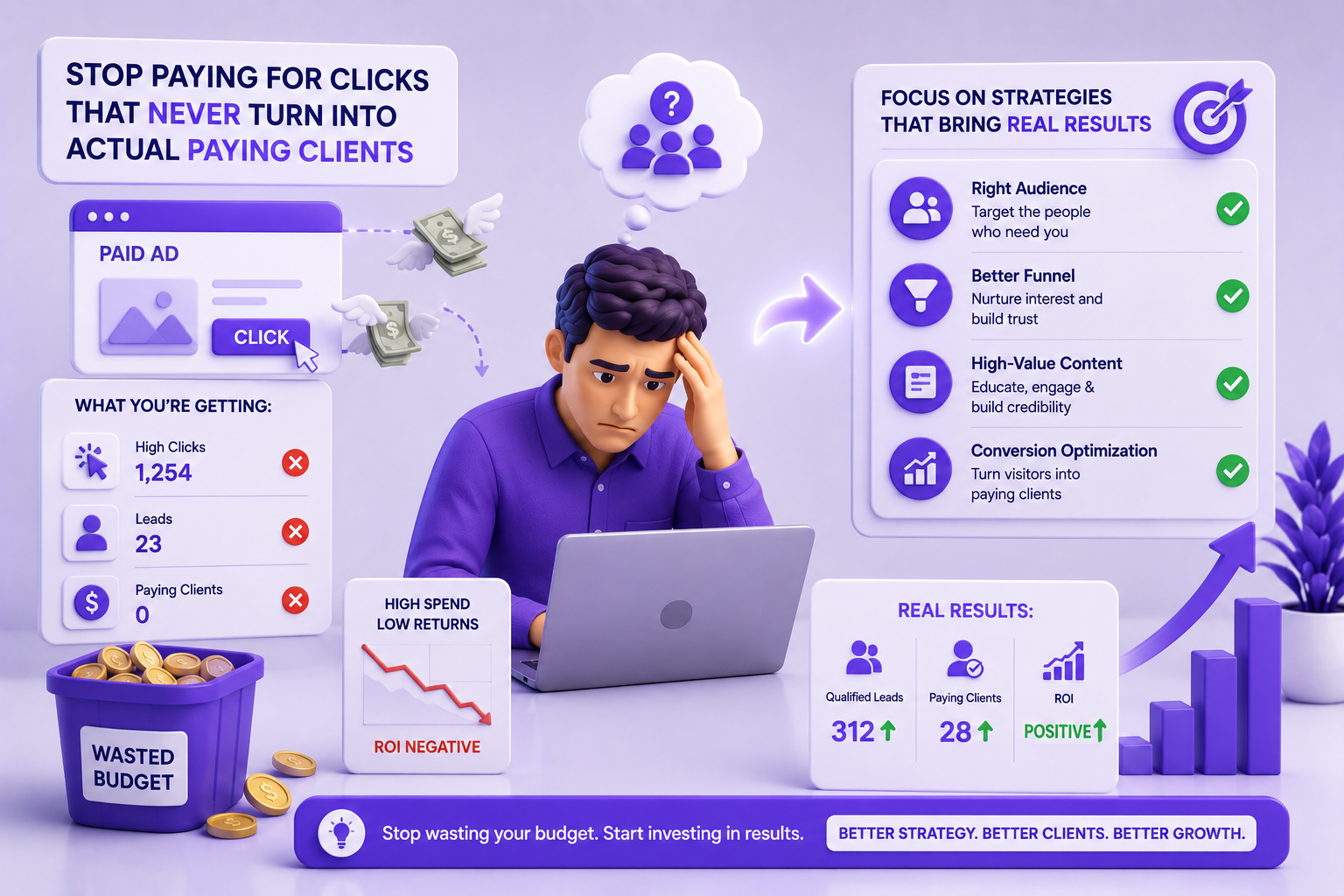
Direct Answer: Generic digital marketing campaigns fail to generate a qualified pipeline because they focus on top-of-funnel activity and vanity metrics rather than target buyer intent, qualification criteria, and conversion infrastructure. Generating revenue requires aligning audience positioning, technical conversion touchpoints, and sales readiness to capture buyers actively seeking solutions.
Table of Contents
- The Illusion of High Engagement and Low Commercial Value
- Root Causes Behind Campaign Failure in Qualified Lead Generation
- Shifting Strategy From Volume to Pipeline Velocity
- How a Performance Digital Marketing Agency for Businesses Realigns Strategy
- Comparing Vanity Metrics Against Revenue-Focused Metrics
- Building an Integrated Ecosystem for Sustainable Revenue Growth
- Conclusion
The Illusion of High Engagement and Low Commercial Value
Standard marketing dashboards often report encouraging numbers. Social media reach expands, website visitor counts increase, and ad click-through rates seem healthy. However, sales departments frequently report a different reality: leads are unqualified, contact information is incomplete, and prospective buyers lack immediate intent or budget.
This disconnect happens when campaigns rely on vanity metrics. Indicators like page views, video plays, and raw form submissions show basic interest, but they rarely signal genuine buying intent. When campaigns measure success using broad traffic volume instead of deal velocity or pipeline value, marketing teams optimize for low-cost clicks rather than high-value business relationships.
Root Causes Behind Campaign Failure in Qualified Lead Generation
Generic campaigns miss commercial targets due to systemic structural flaws. Understanding these common pitfalls helps organizations adjust strategy before committing valuable budget to ineffective channels.
- Broad Audience Targeting: Targeting vague demographics instead of ideal customer profiles yields low-value inquiries from individuals who lack authority or budget.
- Misaligned Value Propositions: Messages designed for generic appeal fail to address specific industry operational challenges or decision-maker priorities.
- Weak Post-Click Infrastructure: Sending high-intent search traffic to generic homepages or unoptimized landing pages creates conversion friction and drives prospects away.
- Disconnected Attribution Systems: Tracking ends at lead submission rather than deal closure, leaving teams blind to which campaigns generate genuine revenue.
Addressing these structural issues requires connected execution. For instance, combining commercial campaign strategies with intent-focused organic visibility, such as search engine optimization services, ensures prospects find clear, value-driven solutions at every stage of their search process.
Shifting Strategy From Volume to Pipeline Velocity
A revenue-first approach prioritizes qualified demand generation over lead collection volume. Rather than filling databases with unvetted contacts, effective strategies focus on engaging key decision-makers who actively seek solutions for specific operational challenges.
1. Defining Commercial ICP and Buying Committees
Complex sales cycles involve multiple decision-makers. Messaging must address the commercial priorities of executive sponsors, technical evaluators, and end users simultaneously. Campaigns tailored to explicit buying personas build consensus and advance deals faster.
2. Optimizing High-Intent Conversion Pathways
Prospective buyers looking for commercial solutions need fast, transparent pathways. Clear call-to-actions, straightforward consultation scheduling, clear pricing context, and value-focused content lower friction and encourage decision-makers to take action.
How a Performance Digital Marketing Agency for Businesses Realigns Strategy
Transitioning to revenue-focused marketing requires strategic refinement and technical integration. Engaging an experienced partner like Digifier Web Technologies LLP helps businesses connect marketing channels directly to revenue generation while eliminating wasteful ad spend.
A performance-driven strategy replaces fragmented tactical tactics with unified growth planning:
- Intent Channel Prioritization: Allocating budget to platforms and search terms that capture active buying intent rather than passive browsing.
- Conversion Rate Engineering: Aligning landing page messaging directly with ad creative and user expectation to increase direct inquiries.
- Closed-Loop Data Integration: Connecting customer relationship management (CRM) platforms with campaign management tools to measure actual opportunity value.
- Iterative Campaign Optimization: Continuously refining targeting, messaging, and budgets based on closed deals rather than top-of-funnel clicks.
Comparing Vanity Metrics Against Revenue-Focused Metrics
Evaluating digital success requires measuring indicators that reflect business growth. The comparison table below highlights how performance marketing models differ from generic agency metrics.
Building an Integrated Ecosystem for Sustainable Revenue Growth
Digital marketing cannot operate in isolation. Sustainable pipeline growth requires technical stability, high-converting digital real estate, and ongoing strategic integration. Organizations with outdated web assets often lose qualified prospects at the final conversion step, regardless of how effective ad campaigns are.
When campaign traffic leads to slow-loading pages or unclear user journeys, conversion rates drop significantly. Upgrading core web assets through professional responsive website design ensures prospective buyers experience a fast, intuitive, and high-trust environment from first click to final inquiry.
Conclusion
Generic digital marketing campaigns fail because they prioritize superficial metrics over genuine commercial alignment. High click counts and impression numbers provide immediate feedback, but they rarely build sustainable sales opportunities. Transitioning from vanity metrics to revenue creation requires disciplined targeting, conversion alignment, and closed-loop measurement.
By focusing campaign strategy on ideal prospect profiles and high-intent conversion paths, businesses establish a predictable pipeline engine. Collaborating with a specialized performance digital marketing agency for businesses transforms online marketing into a scalable center for sustainable revenue growth.