

Selecting the Right Commercial Software for Your Growing Business Operations
Selecting the right commercial software is a pivotal decision for any organization navigating a growth phase. As operations expand, off-the-shelf products may no longer suffice, leading many companies to explore custom business software development to bridge the gap between current limitations and future scalability. This process requires a strategic assessment of your unique operational requirements and a clear vision of how technology can streamline your internal workflows.
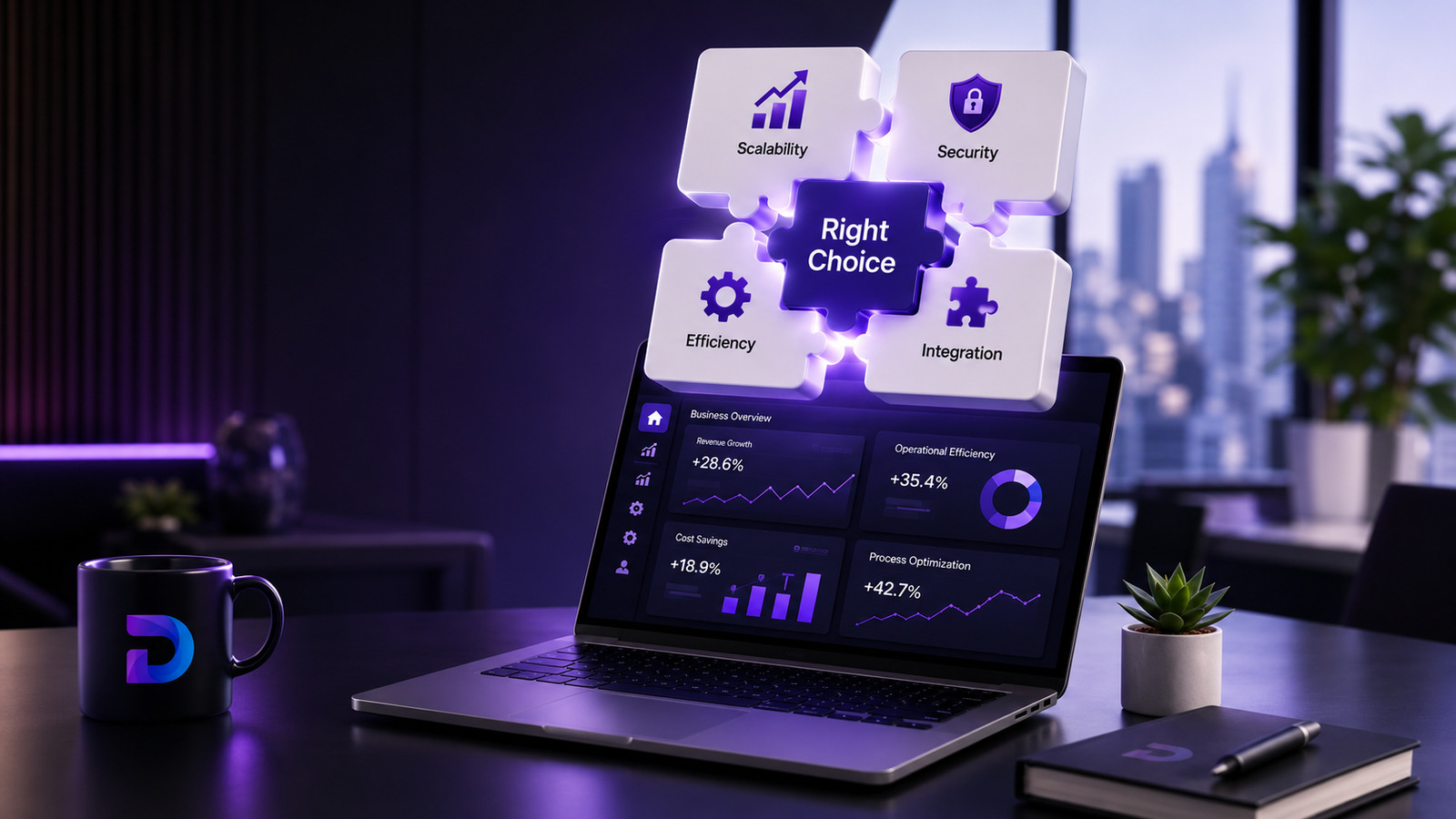
Choosing the right software involves evaluating your specific operational bottlenecks, ensuring technical scalability, and prioritizing user adoption. While standardized solutions offer convenience, businesses with complex requirements often find that custom software provides better alignment with their unique processes, long-term efficiency goals, and the need for seamless data integration.
Table of Contents
- Assessing Operational Needs and Scalability
- Standardized Products vs. Custom Business Software
- Evaluating Technical Integration and Security
- Prioritizing User Adoption and Training
- Strategic Implementation for Long-Term Success
Assessing Operational Needs and Scalability
Before engaging with software vendors, audit your current business processes. Identify recurring manual tasks, communication silos, and data management challenges that hinder growth. A common mistake is selecting software based on current capacity rather than future growth trajectories.
When considering commercial software solutions, look for platforms that support modular expansion. Scalable architecture ensures that as your volume of data and number of users increase, the system remains performant and reliable without requiring a complete overhaul.
Standardized Products vs. Custom Business Software
Choosing between a mass-market solution and custom development depends on the level of process specificity required. Standardized packages are often cost-effective initially but may force your team to adapt their workflows to the software’s limitations.
In contrast, custom business software development allows you to build features around your established internal logic. Digifier Web Technologies LLP frequently emphasizes that effective technology should act as an accelerator for your existing competitive advantages rather than a constraint. By opting for a tailored approach, you retain control over how data is processed and how team members interact with the system.
Evaluating Technical Integration and Security
Modern software does not exist in a vacuum. It must communicate with your existing CRM, accounting tools, and communication platforms. During the selection or design phase, ensure that the software offers robust APIs or native integration capabilities.
Security is equally critical. Whether using off-the-shelf software or investing in bespoke tools, verify that the architecture adheres to industry-standard data protection protocols. Protecting sensitive business information should always be a non-negotiable requirement.
Prioritizing User Adoption and Training
The most sophisticated software is useless if your team finds it unintuitive. High adoption rates stem from thoughtful interface design and clear onboarding processes. When evaluating potential systems, involve the end-users in the testing phase to gather feedback on usability.
A streamlined UX reduces training time and minimizes resistance to change. If you pursue custom development, you have the advantage of refining the dashboard and workflows specifically for your team’s skill level and operational needs.
Strategic Implementation for Long-Term Success
Successful software implementation is an ongoing process. Once selected or developed, the deployment should be iterative. Start with core modules that address your most pressing operational bottlenecks before expanding into advanced automation or additional features.
Regular review cycles allow you to monitor system performance and team productivity. This agility ensures that your chosen software continues to serve your business effectively even as your operational requirements evolve over time.
Conclusion
Selecting the right commercial software is a strategic investment in the longevity of your business. By carefully balancing your immediate operational needs with the potential for future growth, you can make informed decisions that improve efficiency and clarity. Whether you choose a standardized product or commit to custom business software development, the goal remains the same: creating a more cohesive, manageable, and productive work environment. Focusing on scalability, integration capabilities, and end-user experience will ensure that your software remains a powerful asset rather than a technical hurdle. As your business evolves, your software should grow with you, providing the insights and automation necessary to thrive in an increasingly complex digital landscape.