

Why Your Shopify Store Traffic is High But Sales Are Dead: Hidden UX and Conversion Mistakes
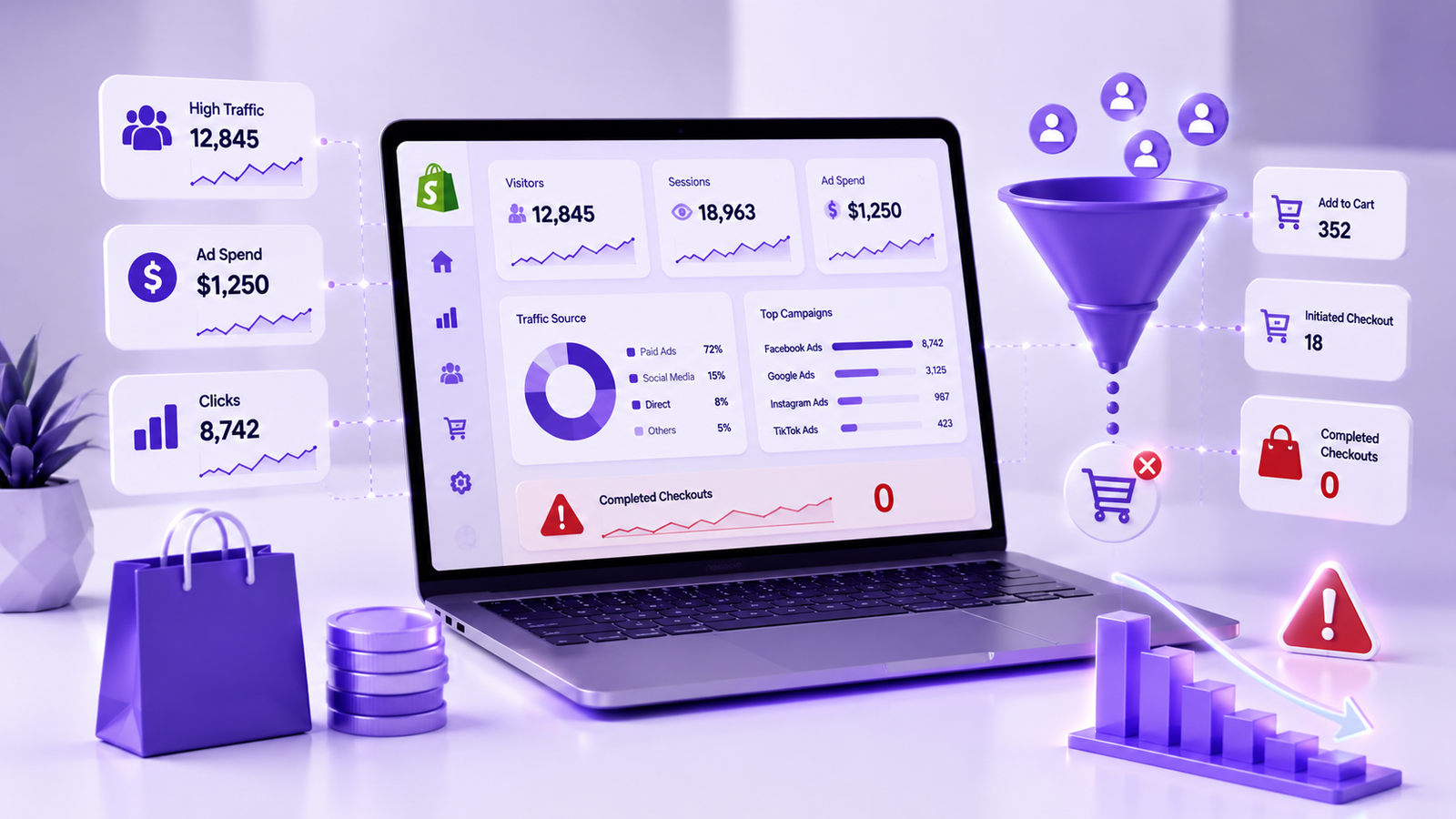
Driving steady visitor traffic to an online storefront is often celebrated as a major marketing victory. However, discovering that high traffic numbers yield almost no completed orders is one of the most frustrating challenges e-commerce brand owners face. When qualified visitors arrive on a store but leave without making a purchase, the primary culprit is rarely advertising quality or audience targeting. Instead, underlying user experience gaps, hidden checkout friction, and weak trust signals actively suppress revenue generation.
Diagnosing why prospective buyers abandon their store visits requires looking closely at every step of the customer journey. Unclear navigation, slow page responsiveness on mobile devices, ambiguous pricing, and complicated purchasing steps frequently destroy buying intent within seconds. Partnering with a specialized Shopify conversion optimization agency helps businesses uncover these subtle conversion barriers, transforming existing website traffic into predictable online sales.
A Shopify store generates high traffic but zero sales when severe usability friction disrupts buyer intent. Common causes include slow mobile loading, confusing navigation, lack of trust signals, weak product details, unexpected shipping costs at checkout, and overly complex payment steps. Resolving these UX breakdowns streamlines the customer journey, aligning visitor expectations with a clear purchasing path.
Table of Contents
- The Intent Disconnect Between Marketing Traffic and Store UX
- Mobile Experience Bottlenecks Destroying Mobile Commerce Sales
- Product Page Friction and Missing Trust Infrastructure
- Checkout Obstacles and Hidden Surprises That Trigger Cart Abandonment
- Comparing Low-Converting vs. Optimized Shopify Experiences
- Why Hiring a Shopify Conversion Optimization Agency Makes Strategic Sense
- Conclusion
The Intent Disconnect Between Marketing Traffic and Store UX
High traffic numbers can easily create a false sense of security. E-commerce founders often assume that because visitors arrive in droves, revenue should follow naturally. However, if marketing campaigns promise one value proposition while the store landing page displays something entirely different, bounce rates skyrocket.
This disconnect usually manifests as poor message match. When ad creative showcases a specific solution or lifestyle benefit, but the target Shopify page drops users onto a generic collection page, visitors feel lost. They must now hunt through menus to find what sparked their interest initially. In modern digital retail, every extra click required to locate a product significantly decreases the probability of a sale.
Building consistent alignment between acquisition strategy and store experience requires specialized planning. At Digifier Web Technologies LLP, structured custom e-commerce solutions help online store owners bridge the gap between initial customer interest and final order placement.
Mobile Experience Bottlenecks Destroying Mobile Commerce Sales
Mobile devices account for a dominant portion of online shop visits today. Despite this reality, many Shopify store owners still review and approve store designs on desktop screens. Consequently, mobile visitors are forced to navigate microscopic tap targets, slow-loading media assets, intrusive popups, and cluttered headers that cover valuable screen space.
Key mobile design mistakes that drain conversion rates include:
- Intrusive Promo Overlays: Popups that appear immediately upon mobile page load block primary product content and frustrate users trying to dismiss them on smaller screens.
- Sluggish Page Performance: Large uncompressed image files and excessive third-party Shopify apps slow down page rendering, prompting mobile users to hit the back button.
- Poor Mobile Layout Hierarchy: Critical details like pricing, product variants, and the primary “Add to Cart” button require excessive scrolling below fold lines.
- Clunky Form Inputs: Small checkout input fields without auto-fill integrations cause input errors, causing shoppers to abandon their carts out of sheer inconvenience.
Addressing these design shortcomings often requires strategic enhancements or comprehensive website redesign solutions that prioritize mobile-first performance, responsive layouts, and intuitive interface logic.
Product Page Friction and Missing Trust Infrastructure
The product detail page is the ultimate decision point for any e-commerce visitor. If high traffic lands here but fails to convert, the product presentation is failing to address user hesitate, doubt, or security concerns.
Online buyers cannot touch, feel, or evaluate physical items prior to purchase. Therefore, store design must over-index on visual clarity and trust-building elements. When product pages rely on generic manufacturer specifications without contextual photography, lifestyle context, or verified customer feedback, visitors lack the confidence required to authorize a transaction.
Essential Elements Missing from Low-Converting Product Pages
- Vague Product Copy: Focusing exclusively on feature technicalities rather than explaining real-world customer benefits and use-cases.
- Absence of Social Proof: Missing verified user reviews, photo evidence from actual customers, or ratings badges located directly beneath product titles.
- Hidden Return Policies: Forcing customers to search through fine-print links in the footer to discover return windows or warranty guidelines.
- Unclear Shipping Delivery Windows: Omitting estimated delivery dates before the checkout stage creates uncertainty regarding item availability.
Checkout Obstacles and Hidden Surprises That Trigger Cart Abandonment
A significant volume of lost revenue occurs right at the final step of the purchasing funnel. Shoppers may select items, choose sizing, and click the cart button, only to abandon the session entirely during checkout.
Unexpected costs added late in the process represent a major driver of cart abandonment. When buyers encounter unexpected shipping fees, handling charges, or tax additions at the final screen, feelings of frustration replace excitement. Displaying transparent shipping costs or offering threshold-based free delivery banners earlier in the browsing journey eliminates negative price surprises.
Furthermore, mandatory account creation before checkout creates unnecessary friction. Buyers seeking a quick, seamless purchase do not want to fill out registration forms or remember new passwords. Enabling guest checkout options alongside modern express payment wallets drastically reduces checkout drop-offs.
Why Hiring a Shopify Conversion Optimization Agency Makes Strategic Sense
Fixing a store with high traffic and dead sales requires more than installing random Shopify apps or tweaking visual colors. In fact, layering too many unoptimized third-party plugins often degrades site speed and creates technical conflicts, worsening conversion rates over time.
Engaging an experienced Shopify conversion optimization agency provides store owners with an objective, data-driven evaluation of their entire commerce ecosystem. Conversion specialists examine user behavior heatmaps, perform systematic audits of cart paths, evaluate site architecture, and implement targeted design refinements.
By systematically resolving friction across product navigation, mobile visual hierarchy, and checkout speed, e-commerce brands extract maximum value from their ongoing marketing investments. Instead of continuously increasing ad budgets to compensate for poor store performance, conversion optimization focuses on turning existing traffic into sustainable revenue growth.
Conclusion
A Shopify store generating strong traffic without corresponding sales is not a traffic problem—it is a conversion and usability problem. Unclear brand messaging, unoptimized mobile interfaces, incomplete product descriptions, and friction-filled checkout steps actively push interested shoppers away.
By conducting a comprehensive user experience review and streamlining the path to purchase, e-commerce businesses can unlock the true monetary potential of their existing audience. Collaborating with a professional Shopify conversion optimization agency ensures that UX bottlenecks are systematically diagnosed and replaced with high-converting online experiences.